Headless CMS - React
Prerequisite: Basic React (components, props, state) + JavaScript (ES6)
What you'll learn
• Understand the difference between traditional CMS and headless CMS
• Learn decoupled architecture (frontend + backend separation)
• Set up and use Strapi locally
• Explore cloud CMS using Contentful
• Design structured content models for real-world applications
• Work with REST APIs for content delivery
• Manage relationships between data (one-to-many, many-to-many)
• Handle media (images, files) in CMS
• Build scalable, API-driven content systems
This course includes:
• 1 Headless CMS Mini Project
• 12–16 Hours Live Classes
• Online / Onsite (Physical)
• API Testing & CMS Setup Guides
• Content Modeling Templates
• Certificate of Completion
Course Content
Headless CMS Concepts
• Traditional CMS vs Headless CMS
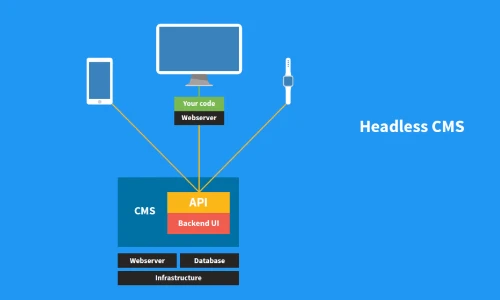
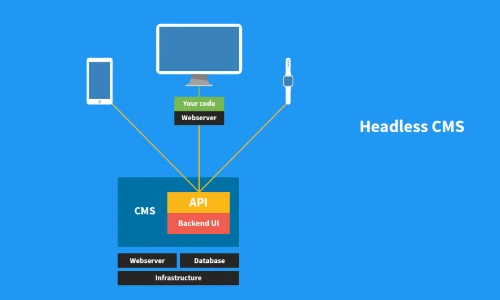
• Decoupled Architecture Explained
• Benefits:
- Omnichannel delivery
- Scalability
- Frontend flexibility (React, mobile apps)
• Overview of: - Strapi (Self-hosted)
- Contentful (Cloud-based)
Setting Up Strapi (Local CMS)
• Installing Strapi (Node.js required)
• Creating Admin User
• Navigating Admin Dashboard
• Creating First Content Type:
- Blog Post
- Fields: title, body, author, date
• Managing Content Entries
• Understanding API Endpoints: - /api/posts
Content Modeling Deep Dive
• Designing Content Structures
• Relationships:
- One-to-Many
- Many-to-Many
• Media Fields: - Images
- Files
• Components & Reusable Blocks
• Dynamic Zones (Flexible Content Areas)
• Populating and Managing Data
• Accessing Data via REST API
Contentful (Cloud CMS Alternative)
• Setting up Contentful Account
• Creating Spaces & Content Models
• Using:
- Content Delivery API
- Preview API
• Managing Content in Cloud
• Comparing Strapi vs Contentful: - Hosting
- Flexibility
- Pricing
- Use Cases
Mini Project (Real-World Practice)
Project: Portfolio Content System
Features:
• Content Types:
- Projects
- Skills
- Testimonials
• Relationships between content
• Media (images for projects)
• API-based content delivery
• CMS-managed dynamic content
Requirements
• Basic knowledge of JavaScript (ES6)
• Understanding of React fundamentals
• Node.js installed on computer
Description
This module introduces modern Headless CMS architecture, where the backend (content management) is separated from the frontend (React apps, mobile apps, etc.).
Students will learn how to structure data professionally and deliver content via APIs, preparing them for modern web development workflows.
Why Choose This Course?
• Modern Industry Approach (Headless CMS)
• API-Driven Development Skills
• Scalable Content Systems
• Works with React & Mobile Apps
• High Demand in Freelancing & Startups
Activities During Class
• Setting up Strapi locally
• Creating content types and relationships
• Managing CMS data
• Testing APIs using browser/Postman
• Designing content models
Who Is This Course For?
• React developers moving into backend/content systems
• Web developers building modern applications
• Freelancers working with dynamic content
Course Highlights
• Headless CMS Concepts
• Strapi Setup
• Content Modeling
• API Usage
• Mini Project
📸 Course Gallery