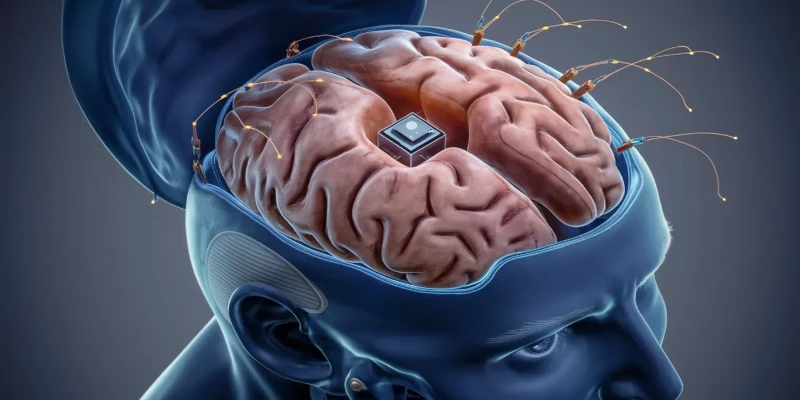
The line between human intelligence and machine power didn't just blur—it practically vanished.
China has officially approved the sale of its first commercial Brain-Computer Interfaces (BCIs). While the rest of the world is largely keeping neural implants confined to tightly restricted clinical trials, this regulatory green light marks a massive shift. BCIs are moving out of pure research labs and straight into the commercial market.
Here is what this milestone means for the future of neurotechnology, global innovation, and the tech landscape.
What is Actually Happening?
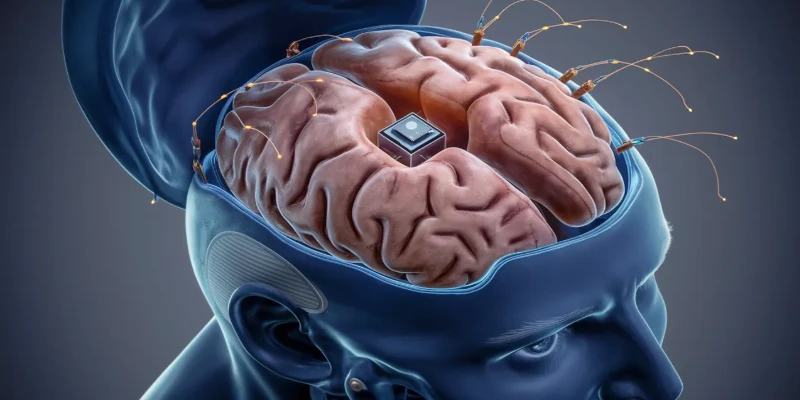
Brain-computer interfaces are no longer just science fiction or exclusive high-tech lab prototypes. These devices establish a direct, real-time communication pathway between the human brain and external digital hardware.
By bypassing traditional physical inputs like keyboards, touchscreens, or voice commands, BCIs allow users to interact with technology using thoughts alone.
The Strategy Behind the Move
China’s rapid regulatory approval is a calculated play for dominance in the global deep-tech sector. By combining heavy government backing, aggressive funding for biotechnology startups, and a streamlined path from academic discovery to commercial manufacturing, they are establishing an incredibly fast-paced ecosystem.
While Western counterparts navigate lengthy, multi-year approval processes focused primarily on severe medical cases, this new framework accelerates testing and deployment for both medical treatments and broader consumer applications.
Real-World Impact: Beyond the Novelty
The commercialization of this technology targets two distinct areas:
1. Advanced Medical Restoration
Mobility Recovery: Enabling individuals with spinal cord injuries or paralysis to operate robotic limbs with precision.
Neurological Management: Utilizing targeted neural stimulation to mitigate symptoms of Parkinson’s disease and epilepsy.
Alternative Communication: Translating neural intent directly into text or synthesized speech for non-verbal patients.
2. Next-Gen Consumer Tech
The long-term roadmap goes far beyond healthcare. Early-stage designs are already exploring cognitive enhancement, focus tracking, and direct mental control over standard consumer electronics like smartphones, smart home setups, and digital interfaces.
The Critical Counter-Balance: Security and Ethics
With massive capability comes unprecedented responsibility. Opening the door to commercial neural data introduces fundamental challenges that developers, engineers, and policymakers must solve immediately:
Neural Data Sovereignty: Brainwaves are the ultimate form of personal data. Securing these pipelines against unauthorized interception, telemetry tracking, or external manipulation is non-negotiable.
Algorithmic Transparency: As machine learning models interpret raw neural signals, clear boundaries must be set to ensure user autonomy is protected.
System Integrity: Unlike updating an application on a phone, deploying or updating firmware on an active neural implant requires flawless stability and rigorous safety compliance.
The Global Race is Live
This milestone fundamentally alters the timeline for global neurotech development. With a major global player officially open for BCI business, standard tech timelines are compressing. The race to build secure, scalable, and highly efficient neural hardware and software is officially moving at high speed.
The Takeaway: The hardware is ready, the market is opening, and the code running these interfaces will shape the next era of human-computer interaction. The future isn't down the road anymore—it's actively being booted up.
📸 Gallery